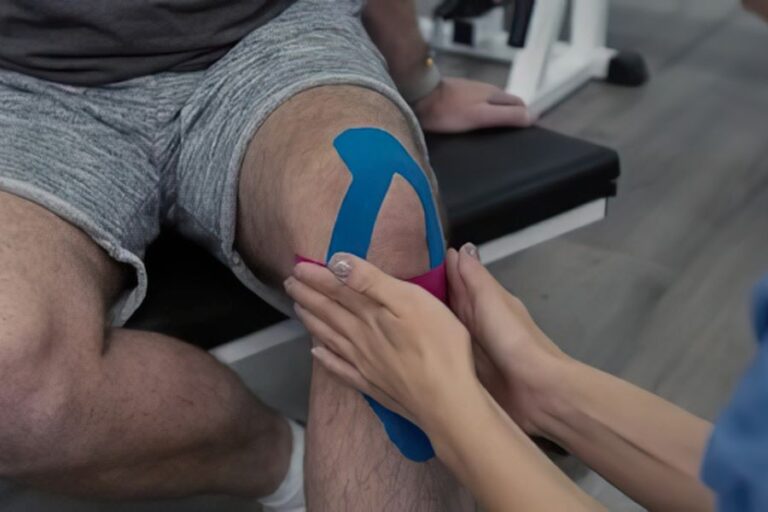
Understanding Physiotherapy Recovery
Physiotherapy after injury plays a key role in helping the body recover safely and effectively. It focuses on restoring movement, improving strength, and reducing pain so you can return to your normal routine with confidence. Rather than only treating symptoms, physiotherapy looks at the root cause of the problem, whether that is poor movement patterns, muscle imbalance, or joint stiffness.
The role of physiotherapy in injury recovery is to guide the healing process in a structured way. Through a combination of hands on treatment, targeted exercises, and expert advice, physiotherapists support the body as it repairs itself. Over time, this approach helps rebuild strength and improve mobility, making everyday activities easier and more comfortable.
How Long Does Physiotherapy Take After Injury
One of the most common questions around physiotherapy after injury is how long recovery will take. The answer varies from person to person. Recovery timelines depend on the type of injury, how severe it is, and how consistent the treatment is.
For mild injuries, improvement may be seen within a few weeks. More complex or severe injuries can take longer and may require several months of rehabilitation. It is important to have realistic expectations and understand that recovery is a gradual process. Progress is often steady rather than immediate, but with the right support, most people achieve meaningful improvement.
Recovery Time Based on Injury Type
Mild Injuries
Mild injuries such as sprains, strains, and minor muscle issues usually respond well to physiotherapy after injury. These conditions often involve soft tissue damage that can heal relatively quickly with the right care. In many cases, patients begin to notice reduced pain and better movement within a few sessions. Full recovery may take a few weeks, especially when exercises are followed consistently.
Moderate Injuries
Moderate injuries, including ligament problems and joint issues, require a more structured rehabilitation plan. These injuries often involve greater tissue damage and may affect stability and function. Physiotherapy focuses on restoring control, improving flexibility, and strengthening surrounding muscles. Recovery can take several weeks to a few months depending on how the body responds to treatment.
Chronic Conditions
Chronic conditions involve long term pain or recurring injuries that have developed over time. Examples include persistent back pain, shoulder problems, or ongoing knee discomfort. Physiotherapy after injury in these cases aims to address underlying causes rather than just symptoms. Recovery may take several months, but gradual improvements in strength and mobility can lead to long lasting benefits.
Factors That Affect Physiotherapy Recovery Time
Several factors influence how quickly someone recovers with physiotherapy after injury. The severity of the injury is often the most important. A minor strain will heal faster than a complex ligament tear or joint condition.
Age and overall health also play a role. While younger individuals may heal more quickly, good general health supports recovery at any age. Consistency of treatment is another key factor. Attending sessions regularly and following advice can significantly improve outcomes.
Lifestyle and activity level should not be overlooked. Staying active within safe limits and maintaining a balanced routine can support healing and prevent setbacks.
Stages of Physiotherapy Recovery
Recovery through physiotherapy after injury typically follows a series of stages. Each stage focuses on a different aspect of healing.
The first stage is pain reduction. At this point, the aim is to reduce discomfort and inflammation while protecting the injured area. Gentle movement and advice on activity levels are often introduced early on.
The next stage involves improving mobility. As pain settles, treatment focuses on restoring normal movement and flexibility. This helps prevent stiffness and supports better function.
Strength rebuilding follows once movement improves. Exercises become more challenging to rebuild muscle strength and stability. This stage is essential for preventing future injury.
The final stage focuses on returning to activity. Whether it is work, sport, or daily tasks, physiotherapy prepares the body to handle real life demands with confidence.
What to Expect During Physiotherapy Treatment
Initial Assessment
The first step in physiotherapy after injury is a detailed assessment. This involves understanding your symptoms, medical history, and how the injury affects your daily life. The physiotherapist will then create a tailored treatment plan based on your specific needs.
Treatment Sessions
Treatment sessions may include guided exercises, manual therapy, and movement training. These sessions are designed to reduce pain, improve mobility, and build strength over time. Each session builds on the previous one, helping you progress steadily.
Home Exercise Programme
A home exercise programme is an important part of physiotherapy after injury. These exercises are designed to support what is done during sessions and keep progress moving between appointments. Following this programme consistently can speed up recovery and improve long term results.
How Many Physiotherapy Sessions Are Needed
The number of sessions required varies depending on the injury and individual goals. Some people may need only a few sessions for short term treatment, particularly for mild injuries. Others with more complex conditions may require longer term rehabilitation.
Physiotherapy after injury is always personalised. Treatment plans are adjusted based on progress, ensuring that each patient receives the right level of support at every stage.
Tips to Speed Up Recovery
There are several ways to support faster recovery during physiotherapy after injury. Following prescribed exercises is essential, as they are designed to target specific areas of weakness or stiffness. Attending sessions regularly allows the physiotherapist to monitor progress and make necessary adjustments.
Maintaining a healthy lifestyle also supports healing. Staying active, eating well, and getting enough rest all contribute to recovery. Consistency is key, as steady effort over time leads to the best results.
When to Start Physiotherapy After Injury
Starting physiotherapy after injury as early as possible can make a significant difference. Early intervention helps reduce pain, improve movement, and prevent complications such as stiffness or weakness.
Delaying treatment can allow poor movement patterns to develop, which may extend recovery time. Seeking professional support early ensures that the injury is managed correctly from the start.
Long Term Benefits of Physiotherapy
Physiotherapy after injury offers benefits that go beyond immediate recovery. It helps improve overall strength, making the body more resilient to future injuries. By correcting movement patterns and addressing underlying issues, it reduces the risk of recurring problems.
Better mobility and improved function also enhance quality of life. Whether it is walking, exercising, or completing daily tasks, physiotherapy supports long term health and wellbeing.
Conclusion
Physiotherapy after injury is a structured and effective way to recover from both minor and complex conditions. While recovery time varies, understanding the process helps set realistic expectations and keeps you motivated. With consistent treatment, guided exercises, and the right support, most people achieve lasting improvement.
Clear Physio focuses on personalised care, helping each individual move better, feel stronger, and return to daily activities with confidence.
FAQs
How long does physiotherapy take to work
Many people notice some improvement after a few sessions, especially with mild injuries. Full recovery can take weeks or months depending on the condition.
When should I start physiotherapy
It is best to start physiotherapy after injury as soon as it is safe to do so. Early treatment can reduce pain and prevent complications.
How many sessions are needed
The number of sessions varies. Minor injuries may require only a few visits, while more complex issues need longer treatment plans.
Can physiotherapy help chronic injuries
Yes, physiotherapy is highly effective for chronic conditions. It focuses on improving strength, mobility, and addressing underlying causes.
Does physiotherapy hurt
Physiotherapy should not be overly painful. Some discomfort can occur during exercises, but treatment is always adjusted to stay within safe limits.