If you have been told you have a bulging disc, one of your first questions is probably how long recovery will take.
For some people, symptoms can improve within a few weeks. For others, recovery may take longer depending on the severity of the disc problem, the nerves involved, your general health and how consistently you follow your treatment plan.
There is no single recovery time that applies to everyone.
The important thing is to understand what is causing your symptoms and what can support your recovery.
At Clear Physio, the focus is not only on reducing pain. It is also about improving movement, building strength and helping you return to normal daily activity safely.
What Does Bulging Disc Recovery Actually Look Like?
Bulging disc recovery is often easier to understand when it is broken into stages.
Phase 1: Acute Relief
The first stage usually focuses on calming pain and irritation.
You may experience sharp back pain, neck pain, tingling, numbness or pain that travels into an arm or leg.
The aim during this phase is to reduce aggravation and find movements or positions that feel more comfortable.
Gentle activity is often encouraged where appropriate, rather than complete rest.
Phase 2: Healing Phase
As symptoms begin to settle, the next focus is improving mobility and normal movement.
This may involve controlled exercises, gradual activity and treatment aimed at reducing pressure on irritated structures.
Some people start to notice better movement and less pain during this stage, although progress can vary.
The goal is not simply to wait for the disc to improve. It is to help your spine move well while gradually rebuilding confidence in everyday activity.
Phase 3: Reinforcement
Once symptoms are more manageable, strengthening becomes increasingly important.
The muscles around your spine, hips and core help support normal movement.
Building strength can reduce unnecessary strain and may help lower the chance of future flare ups.
This stage is about long term stability rather than quick symptom relief.
How Early Treatment Affects Recovery Time
Getting the right assessment early can make a real difference to how confidently you manage a bulging disc.
If symptoms are addressed early, you may be able to reduce aggravating movements, manage inflammation and start suitable exercises before the problem becomes more limiting.
Some people with mild symptoms may feel much better within around 4 to 6 weeks, but this should never be treated as a guaranteed recovery period.
Recovery depends on the individual.
If symptoms have been present for months, or if there is ongoing nerve compression, weakness or significant numbness, progress may take longer.
The key point is not to panic if recovery feels slow.
A clear assessment can help identify what is affecting your healing and what needs to change.
4 Key Factors That Determine Your Healing Timeline
Factor 1: The Severity of the Bulge
Not every bulging disc is the same.
A small disc bulge that causes little nerve irritation may settle relatively quickly.
A larger bulge that places pressure on a spinal nerve may cause more persistent symptoms.
Pain can also be influenced by inflammation around the affected area.
This is why two people with a bulging disc may have very different recovery experiences.
Factor 2: The Location of the Disc
Location matters.
A bulging disc in the cervical spine can affect the neck, shoulders, arms or hands.
A lumbar bulging disc may cause lower back pain and symptoms travelling into the hips, buttocks or legs.
The lower back also deals with significant loading during sitting, bending, lifting and walking.
Your recovery plan should therefore reflect where the disc problem is located and which movements are irritating your symptoms.
Factor 3: Your Overall Health
Your general health can influence recovery.
Regular movement, good sleep, balanced nutrition and maintaining a healthy weight can all support normal healing and function.
Smoking may negatively affect circulation and tissue health, so reducing or stopping smoking can be beneficial for general recovery.
You do not need to become extremely fit overnight.
Small consistent habits often matter more.
Factor 4: Consistency of Care
Recovery does not happen only during appointments.
What you do between sessions also matters.
Following your exercise plan, improving sitting posture, changing how you lift and taking regular movement breaks can all support progress.
Consistency is usually more useful than doing too much at once.
Bulging Disc vs. Herniated Disc: What’s the Difference?
These terms are often confused, but they are not exactly the same.
What a Bulging Disc Looks Like
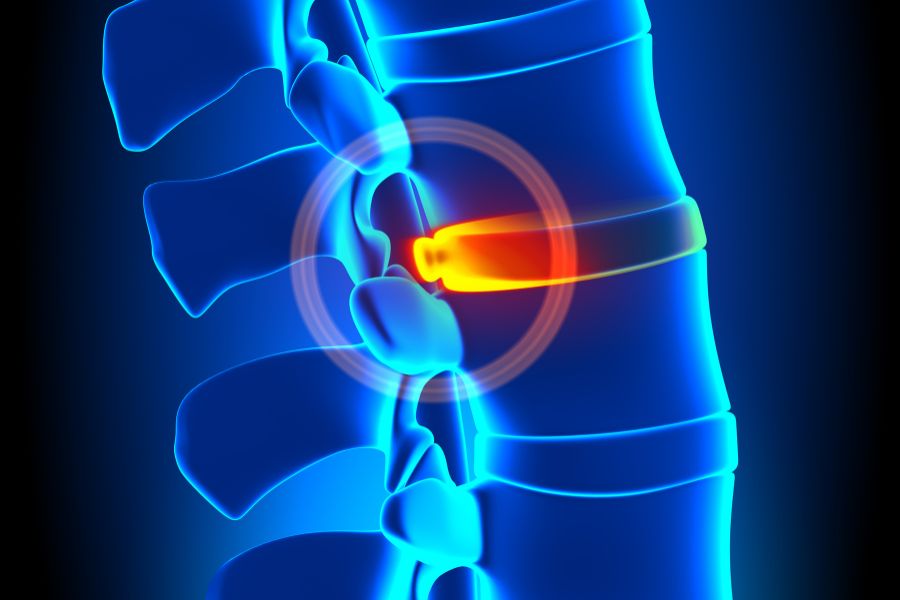
Think of a spinal disc as a cushion between the bones of your spine.
With a bulging disc, part of that cushion extends beyond its usual boundary.
The outer part of the disc may still remain intact.
Some bulging discs cause no symptoms at all.
Problems can develop when the bulge irritates or presses on a nearby nerve, leading to pain, numbness, tingling or weakness.
What a Herniated Disc Looks Like
A herniated disc usually involves a tear in the outer part of the disc.
Some of the softer material inside can move through the damaged area.
This may irritate nearby nerves and cause sharper pain or symptoms travelling into an arm or leg.
Why the Difference Matters for Recovery
Both bulging and herniated discs can improve with appropriate conservative care.
However, treatment should be based on your symptoms, movement, strength and clinical findings rather than the scan result alone.
A professional assessment can help determine which movements are safe and what type of rehabilitation is suitable.
Non Surgical Treatments That May Help
Spinal Decompression Therapy
Some treatment plans use techniques designed to reduce pressure and improve comfort around the spine.
The suitability of spinal decompression depends on the individual and should be assessed professionally.
Manual Therapy
Hands on treatment may be used to improve movement and reduce stiffness around affected areas.
This should normally be combined with active rehabilitation rather than used alone.
Therapeutic Exercises
Exercise is often an important part of bulging disc rehabilitation.
Your programme may include mobility work, core exercises and gradual strengthening.
The aim is to improve movement and reduce unnecessary strain on the spine.
Lifestyle and Ergonomic Guidance
Simple changes can make a noticeable difference.
This can include improving your sitting position, changing how you lift, taking regular breaks and finding more comfortable sleeping positions.
Staying Active While Healing: A Simple Guide
Movement is often helpful during recovery, but it needs to match your symptoms.
Walking and gentle movement may help maintain mobility and confidence.
Core strengthening may also be useful when introduced at the right stage.
Try to avoid suddenly returning to heavy lifting, repeated twisting or high impact activity if these increase your symptoms.
Long periods of sitting may also aggravate some people, so regular movement breaks can help.
When Exercise Is Helping
Exercise is generally moving in the right direction when you feel more mobile, stronger and more confident without a significant increase in symptoms afterwards.
When Exercise Is Hurting
Stop and seek professional advice if exercise causes severe pain, increasing weakness, persistent numbness or worsening pain travelling into an arm or leg.
Frequently Asked Questions
How long does a bulging disc take to recover?
Some people improve within a few weeks, while others need longer. Recovery depends on the severity, location, symptoms and overall health of the individual.
Can a bulging disc heal without surgery?
Many people improve with conservative care such as physiotherapy, exercise and activity modification. Surgery is not required in every case.
Should I walk with a bulging disc?
Gentle walking is often useful if it does not significantly worsen your symptoms. Your physiotherapist can advise you on the right level of activity.
Can exercise make a bulging disc worse?
The wrong exercise or doing too much too quickly can aggravate symptoms. A suitable rehabilitation programme should be based on your individual condition.
When should I see a physiotherapist?
Consider an assessment if pain is persistent, movement is becoming more difficult or you are experiencing numbness, tingling or weakness.
Clear Physio can assess your symptoms, movement and strength and help you build a rehabilitation plan based on your individual needs.