Hockey is fast, competitive and physically demanding. Whether you play field hockey or ice hockey, quick changes of direction, sudden stops, collisions and repetitive movements can all place stress on the body.
Knowing how to treat common hockey injuries can help prevent a minor problem from becoming more serious. Some injuries can initially be managed with basic first aid, while knee injuries, suspected fractures and head injuries need professional assessment.
Understanding what to look for and how to respond can help players recover safely and return to hockey when they are ready.
Why Are Injuries Common in Hockey?
The speed and physical demands of hockey mean injuries can happen during both training and competitive matches.
Common Causes of Field Hockey Injuries
Field hockey involves running, twisting, tackling and rapid changes of direction. Players may develop muscle strains and joint injuries, while contact with the ball, stick or another player can cause cuts and bruising.
Common Causes of Ice Hockey Injuries
Ice hockey adds high speed skating and physical contact. Sudden impacts, falls and twisting movements can affect the knees, ankles, shoulders and head.
What Are the Most Common Hockey Injuries?
Hockey injuries range from minor soft tissue problems to injuries requiring medical treatment and rehabilitation.
Sprains and Strains
Sprains affect ligaments around joints, while strains usually involve muscles or tendons. Pain, tenderness, swelling and reduced movement are common symptoms.
Knee Injuries
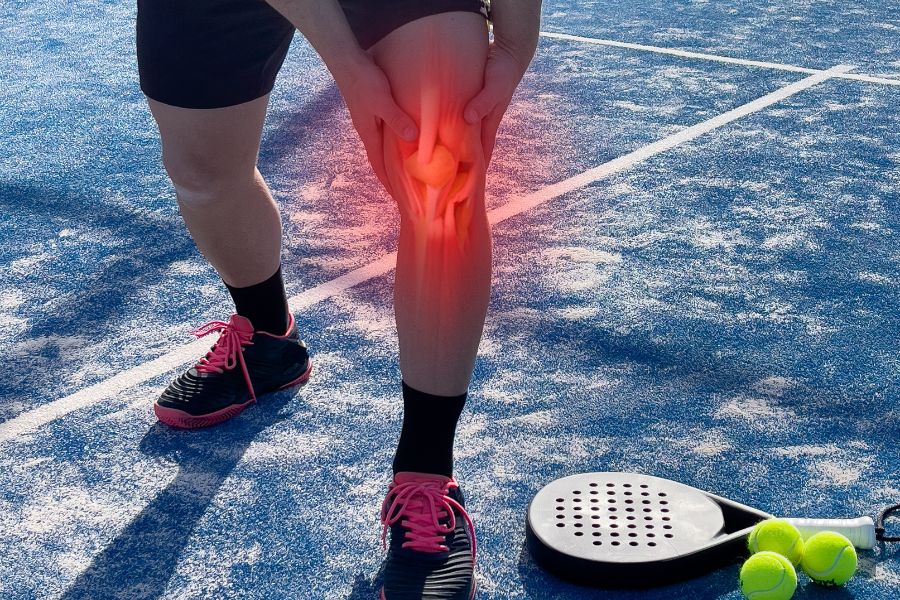
Twisting and sudden changes in direction can damage knee structures, including the medial collateral ligament, known as the MCL, and anterior cruciate ligament, or ACL.
Ankle Injuries
Ankle sprains commonly happen when the ankle twists awkwardly during running, skating, landing or changing direction.
Groin and Hamstring Strains
Fast acceleration and sudden stretching can strain the muscles around the groin and back of the thigh.
Cuts and Bruising
Contact with sticks, balls, pucks, equipment or other players can cause cuts, grazes and bruising.
Hand and Wrist Injuries
Hands and wrists can be injured through falls or direct impacts. Some injuries may involve fractures, so significant pain or loss of movement should be assessed.
Head Injuries and Concussion
Any significant blow to the head needs to be taken seriously. Concussion can affect brain function even when the player has not lost consciousness.
How to Treat Minor Hockey Injuries
Initial first aid depends on the injury. If there is any concern about its severity, seek professional advice.
Stop Playing and Assess the Injury
The player should stop activity and the injured area should be checked. Continuing to play can sometimes make an injury worse.
Rest the Injured Area
Avoid movements that increase pain. Rest gives irritated or damaged tissues an opportunity to begin recovering.
Use Cold Therapy When Appropriate
Cold therapy can sometimes help with pain and swelling following an acute soft tissue injury. Ice should not be placed directly against the skin and should only be used when appropriate for the injury.
Apply Compression
A suitable compression bandage may help manage swelling. It should be supportive without restricting circulation.
Elevate the Injured Area
For some limb injuries, comfortable elevation may help with swelling.
How to Treat Hockey Knee Injuries
Knee injuries should be treated carefully because several important structures provide stability to the joint.
MCL Injuries
The MCL supports the inner side of the knee. It may become strained or torn following twisting, overextension or impact.
Initial management may involve protecting the knee and reducing activity before a physiotherapist or healthcare professional assesses the injury.
ACL Injuries
The ACL helps control knee stability. A sudden pivot, awkward landing or rapid change of direction can damage it.
An ACL injury can cause pain, swelling and instability. Some players also report feeling or hearing a pop when the injury occurs.
When a Knee Injury Needs Professional Assessment
Seek assessment if there is significant swelling, severe pain, instability, locking, difficulty walking or an inability to fully move the knee.
How to Treat Hockey Ankle Injuries
Recognising an Ankle Sprain
Pain, swelling, bruising and difficulty putting weight through the foot can indicate an ankle sprain.
Immediate Treatment for an Ankle Injury
Stop playing and protect the ankle from further stress. Appropriate rest, compression and elevation may be useful while the severity is assessed.
When to Seek Medical Advice
Seek professional assessment if the player cannot put weight on the foot, there is severe swelling, visible deformity or significant tenderness around the bones.
How to Treat Groin and Hamstring Injuries
Groin Strains
Groin strains can occur during sudden changes in direction or powerful movements. Stop activity if sharp groin pain develops.
Pulled Hamstrings
A hamstring strain often causes sudden pain at the back of the thigh. The player should stop playing rather than attempting to run through the discomfort.
Returning to Hockey After a Muscle Injury
Return should be gradual. Strength, movement and sport specific function should be restored before returning fully to training and competition.
How to Treat Cuts, Bruises and Impact Injuries
Treating Cuts and Grazes
Minor wounds should be cleaned and appropriately covered. Deep wounds or bleeding that cannot be controlled require medical attention.
Managing Bruising and Swelling
Protect the injured area and monitor pain, swelling and movement. Cold therapy may sometimes be appropriate following a minor impact.
When an Impact Injury Could Be More Serious
Severe pain, deformity, numbness, increasing swelling or loss of function may indicate a more significant injury requiring assessment.
How to Deal With Concussion in Hockey
Concussion is a brain injury and should always be treated seriously.
Common Signs of Concussion
Possible symptoms include headache, dizziness, confusion, balance problems, nausea, memory difficulties, visual changes and sensitivity to light or noise.
Remove the Player From Play
A player with suspected concussion should stop playing and should not return to the same activity simply because they begin to feel better.
When to Seek Urgent Medical Help
Urgent medical assessment is important if symptoms are severe or worsening, particularly with repeated vomiting, seizures, increasing confusion, unusual behaviour, weakness or problems remaining conscious.
Returning to Hockey After Concussion
Return to sport should follow appropriate medical guidance and a gradual return to activity. Symptoms should not be ignored simply to return to competition sooner.
When Does a Hockey Injury Need Medical Attention?
Severe Pain or Swelling
Severe or rapidly increasing pain and swelling should be assessed.
Inability to Put Weight on the Injury
Difficulty standing or walking following an injury may indicate more significant damage.
Suspected Fracture or Dislocation
Visible deformity, severe tenderness or an abnormal joint position needs urgent medical assessment.
Head Injury Symptoms
Confusion, dizziness, memory problems and other concussion symptoms should never be ignored.
Loss of Consciousness
Loss of consciousness following a head injury requires urgent medical attention.
What Should a Hockey First Aid Kit Include?
Teams should have appropriate first aid supplies available during training and matches.
Cold Packs
Instant cold packs can be useful when cold therapy is appropriate and no other cooling option is available.
Bandages and Dressings
A range of bandages and sterile dressings helps first aiders manage different wounds and injuries.
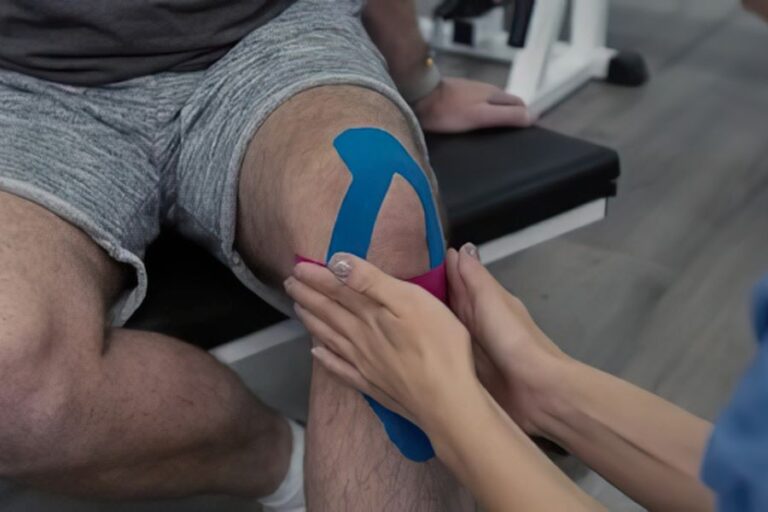
Sports Tape
Sports tape can have several uses, although it should be applied correctly and should not replace assessment of an injury.
Wound Care Supplies
Sterile dressings, wound cleaning supplies and plasters are useful for managing minor cuts and grazes.
Protective Gloves and First Aid Equipment
Disposable gloves and suitable first aid equipment help trained first aiders provide care safely.
How to Reduce the Risk of Hockey Injuries
Not every injury can be prevented, but good preparation can reduce risk.
Warm Up Before Playing
A structured warm up prepares the muscles and joints for the demands of hockey.
Wear the Correct Protective Equipment
Use suitable protective equipment for your form and level of hockey and ensure it fits correctly.
Improve Strength and Conditioning
Good strength, mobility, balance and conditioning can help the body cope with the demands of training and competition.
Allow Injuries to Recover Properly
Returning too early may increase the risk of aggravating an injury or developing another problem.
Make Sure Trained First Aiders Are Available
Clubs should have appropriate first aid arrangements in place so injuries can be managed quickly and safely.
Hockey Injury Treatment FAQs
What is the most common injury in hockey?
Sprains, muscle strains, bruising and lower limb injuries are common, although the type of injury varies between field and ice hockey.
What should you do immediately after a hockey injury?
Stop playing and assess the injury. Protect the affected area and seek professional help if there is severe pain, significant swelling, loss of function or concern about a serious injury.
Should you use ice on a hockey injury?
Cold therapy may help with pain and swelling after some acute injuries, but it is not appropriate for every situation. Avoid placing ice directly on the skin.
How do you treat a hockey knee injury?
Stop activity and protect the knee. Significant swelling, instability, locking or difficulty putting weight through the leg should be assessed by a healthcare professional.
When should a hockey player go to hospital?
Urgent medical attention may be needed for suspected fractures or dislocations, serious head injuries, loss of consciousness, severe bleeding or rapidly worsening symptoms.
Can you continue playing with a minor injury?
Continuing to play may make some injuries worse. If there is pain, reduced movement or uncertainty about the injury, stop and have it assessed.
What should be in a hockey first aid kit?
Useful supplies include sterile dressings, bandages, plasters, disposable gloves, wound care products, cold packs and other equipment appropriate for the team’s first aid needs.
Be Prepared to Treat Hockey Injuries
Knowing how to treat common hockey injuries helps players, coaches and first aiders respond appropriately when something goes wrong.
The first step is always to understand what has happened and avoid making the injury worse. Minor injuries may settle with appropriate management, while suspected ligament damage, fractures and concussion need professional attention.
At Clear Physio, we assess and treat sports injuries with rehabilitation focused on restoring movement, strength and confidence. Getting the right support can help you recover properly and return to hockey safely.