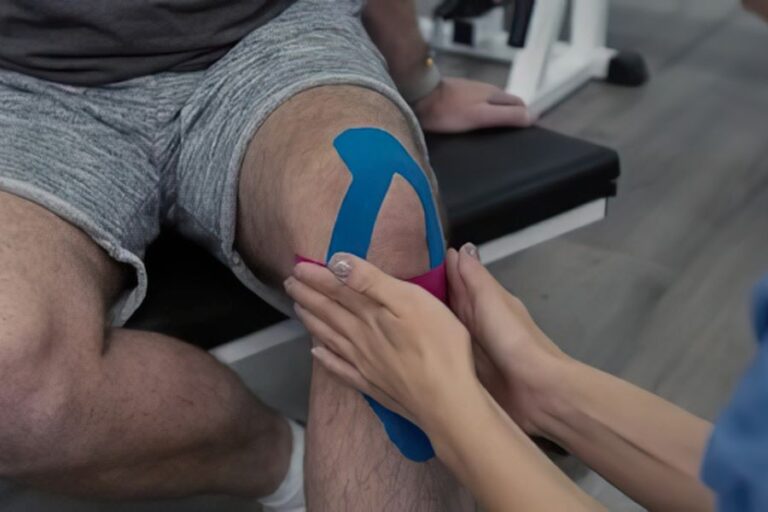
Knee replacement surgery is a common procedure used to treat severe knee pain and stiffness caused by joint damage. For many people, everyday activities such as walking, climbing stairs, or getting up from a chair can become increasingly difficult when the knee joint is affected by osteoarthritis or injury.
Understanding what happens before, during, and after knee replacement surgery can help you feel more prepared and confident about your treatment and recovery journey.
What Is Knee Replacement Surgery?
Knee replacement surgery involves removing damaged parts of the knee joint and replacing them with artificial components. The aim is to reduce pain, improve mobility, and help you return to everyday activities with greater comfort.
Understanding Knee Joint Damage
The knee joint is formed by the thigh bone, shin bone, and kneecap. These surfaces are normally covered with smooth cartilage that allows the joint to move freely. When cartilage becomes worn away due to osteoarthritis, injury, or long term joint degeneration, the knee can become painful, swollen, and stiff.
Over time, this damage may significantly affect your quality of life and limit your ability to stay active.
How Knee Replacement Relieves Pain
A knee replacement removes the damaged joint surfaces that are causing pain. These surfaces are replaced with artificial components made from durable materials designed to move smoothly together.
This helps reduce friction within the joint, easing pain and improving movement.
Who May Need Knee Replacement Surgery
Knee replacement surgery may be recommended if:
- Knee pain affects daily activities
- Conservative treatments no longer provide relief
- Osteoarthritis has significantly damaged the joint
- Mobility continues to decline
- Sleep and quality of life are affected by ongoing pain
Types Of Knee Replacement Surgery
There are different types of knee replacement procedures depending on the extent of joint damage.
Total Knee Replacement
A total knee replacement replaces the entire damaged knee joint. This is the most commonly performed procedure and is often recommended when arthritis affects multiple areas of the knee.
Partial Knee Replacement
A partial knee replacement only replaces the damaged section of the knee. This may be suitable if arthritis is limited to one compartment of the joint.
Choosing The Right Procedure
Your consultant will assess factors such as your age, activity level, overall health, and the condition of your knee before recommending the most appropriate treatment.
Preparing For Knee Replacement Surgery
Good preparation can make recovery smoother and help reduce complications.
Pre Assessment Appointments
Before surgery, you will usually attend a pre assessment appointment. This allows your healthcare team to review your medical history, medications, and overall fitness for surgery.
Preparing Your Home For Recovery
Simple changes at home can make recovery easier. Consider preparing meals in advance, removing trip hazards, and arranging support from family or friends during the first few weeks.
Lifestyle Changes Before Surgery
Maintaining a healthy weight and improving your fitness before surgery can support recovery. If you smoke, stopping before your operation may improve healing and reduce complications.
Understanding Anaesthesia Options
Knee replacement surgery can be performed under spinal anaesthesia or general anaesthetic. Your surgical team will explain the options and help you decide which is most suitable.
How Knee Replacement Surgery Is Performed
The procedure itself is carefully planned to restore function and reduce pain.
The Surgical Procedure
During surgery, the surgeon makes an incision at the front of the knee and removes the worn joint surfaces. Artificial components are then fitted to create a new joint.
Replacing Damaged Joint Surfaces
The damaged cartilage and bone are removed and replaced with specially designed metal and plastic components that replicate natural knee movement.
Patella Resurfacing
In some cases, the underside of the kneecap may also be resurfaced if significant damage is present. This can help improve comfort and function after surgery.
Recovery After Knee Replacement Surgery
Recovery is gradual and requires patience, commitment, and rehabilitation.
The First Few Days After Surgery
Most people begin moving their new knee within 24 hours of surgery. Walking with support from crutches or a walking frame is encouraged early to improve circulation and reduce the risk of complications.
Pain Management During Recovery
It is normal to experience discomfort during the early stages of recovery. Pain relief medication, ice therapy, elevation, and movement all help manage symptoms while healing takes place.
The Importance Of Physiotherapy
Physiotherapy plays a vital role in knee replacement recovery. Guided rehabilitation helps improve strength, flexibility, balance, and joint movement.
At Clear Physio, rehabilitation programmes are tailored to your individual needs and recovery goals. Regular exercises help prevent stiffness and support long term success following surgery.
Returning To Everyday Activities
Most people gradually return to normal activities within six to twelve weeks. Improvements often continue for up to a year as strength and mobility develop further.
Benefits Of Knee Replacement Surgery
For many people, knee replacement surgery delivers significant improvements in daily life.
Reducing Chronic Pain
One of the main benefits is long term relief from persistent knee pain caused by arthritis or joint damage.
Improving Mobility
Many patients find walking, climbing stairs, and carrying out routine activities become much easier after recovery.
Enhancing Quality Of Life
Reduced pain and improved movement often allow people to enjoy hobbies, exercise, social activities, and greater independence.
Potential Risks And Complications
As with any operation, knee replacement surgery carries some risks.
Blood Clots
Deep vein thrombosis can occur after surgery. Early movement, compression stockings, and medication help reduce this risk.
Infection Risks
Although uncommon, infection can affect the wound or joint replacement. Careful surgical techniques and antibiotics help minimise the likelihood of infection.
Joint Instability
In rare cases, the artificial joint may become loose or unstable and require further treatment.
Managing Post Operative Complications
Regular follow up appointments, physiotherapy, and following medical advice can help identify and manage problems early.
Long Term Results Of Knee Replacement
Modern knee replacements are designed to provide long lasting results.
How Long Knee Replacements Last
Many knee replacements last between 15 and 20 years, with some lasting even longer depending on lifestyle and activity levels.
Maintaining Joint Health
Staying active, maintaining a healthy weight, and following rehabilitation advice can help maximise the lifespan of your replacement.
Staying Active After Surgery
Low impact activities such as walking, cycling, swimming, and exercise programmes are often encouraged following recovery.
Alternatives To Knee Replacement Surgery
Surgery is usually considered after other treatments have been explored.
Physiotherapy
Physiotherapy can improve strength, mobility, and pain management. Many people find physiotherapy helps delay or avoid surgery.
Medication And Pain Relief
Anti inflammatory medication and pain relief treatments may help manage symptoms.
Joint Injections
Corticosteroid injections may provide temporary pain relief and reduce inflammation.
Lifestyle Changes
Weight management, regular exercise, and activity modification can reduce pressure on the knee joint and improve symptoms.
Frequently Asked Questions
How Long Does Knee Replacement Recovery Take?
Initial recovery typically takes between six and twelve weeks. Full recovery and continued improvement may take up to one year.
How Painful Is Knee Replacement Surgery?
Some discomfort is expected after surgery, but pain is managed with medication and rehabilitation support.
When Can I Walk After Knee Replacement?
Most people begin walking with assistance within one day of surgery and gradually increase activity during recovery.
How Long Does A Knee Replacement Last?
Many modern knee replacements last 15 to 20 years or longer when properly cared for.
What Are The Risks Of Knee Replacement Surgery?
Potential risks include blood clots, infection, joint instability, stiffness, and nerve or blood vessel damage. Your surgical team will explain these risks before treatment.
Knee replacement surgery can be life changing for people living with chronic knee pain and reduced mobility. Understanding the procedure, preparing properly, and committing to rehabilitation can help you achieve the best possible outcome. At Clear Physio, we support patients throughout every stage of recovery, helping them regain confidence, strength, and movement after knee replacement surgery.