When dealing with pain, injury, stiffness, or reduced mobility, many people struggle to decide which treatment is right for them. Osteopathy, physiotherapy, and chiropractic care all focus on improving physical wellbeing, but each approach works slightly differently. Understanding how these treatments support recovery can help you make a more informed decision about your healthcare.
At Clear Physio, we understand that every person and every injury is different. Whether you are recovering from a sports injury, managing chronic back pain, or looking to improve mobility, choosing the right treatment can play a major role in your long term recovery.
What Is The Difference Between Osteopathy, Physiotherapy And Chiropractic?
Osteopathy, physiotherapy, and chiropractic care all focus on helping the body function more effectively, improving movement, reducing pain, and supporting recovery. However, they approach treatment from different perspectives.
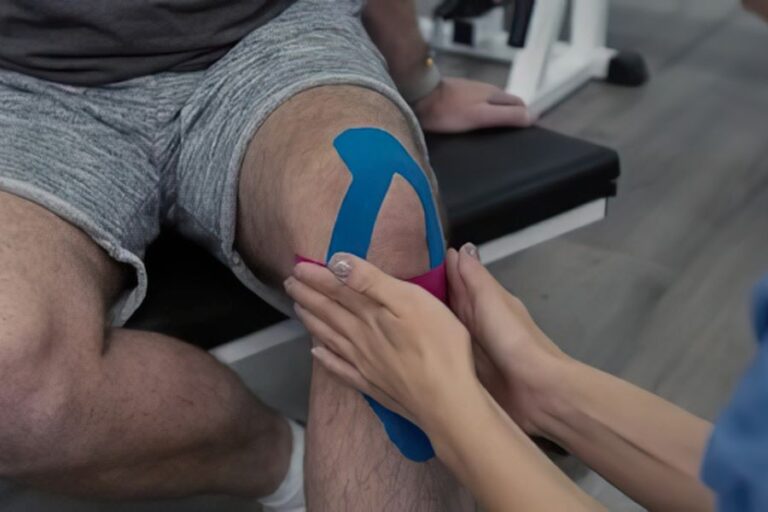
Physiotherapy mainly focuses on restoring movement and rehabilitation following injury, surgery, or illness. Treatment often includes exercise programmes, rehabilitation techniques, manual therapy, and movement education.
Osteopathy focuses on the relationship between the body’s muscles, joints, ligaments, and connective tissues. Osteopaths use hands on manual therapy techniques to improve mobility, reduce tension, and support the body as a whole.
Chiropractic care primarily focuses on spinal alignment, joint health, posture, and nervous system function. Chiropractors commonly use spinal adjustments and manipulative techniques to help relieve musculoskeletal pain and improve movement.
Choosing the right treatment often depends on your symptoms, medical history, lifestyle, and recovery goals.
What Is Physiotherapy?
Physiotherapy is a healthcare treatment designed to restore movement and function following injury, surgery, illness, or physical strain. Physiotherapists help patients improve strength, mobility, flexibility, balance, and coordination.
Physiotherapy is widely used for sports injuries, rehabilitation after surgery, muscle strains, joint problems, chronic pain conditions, and neurological rehabilitation. Treatment plans are often exercise based and tailored to the individual.
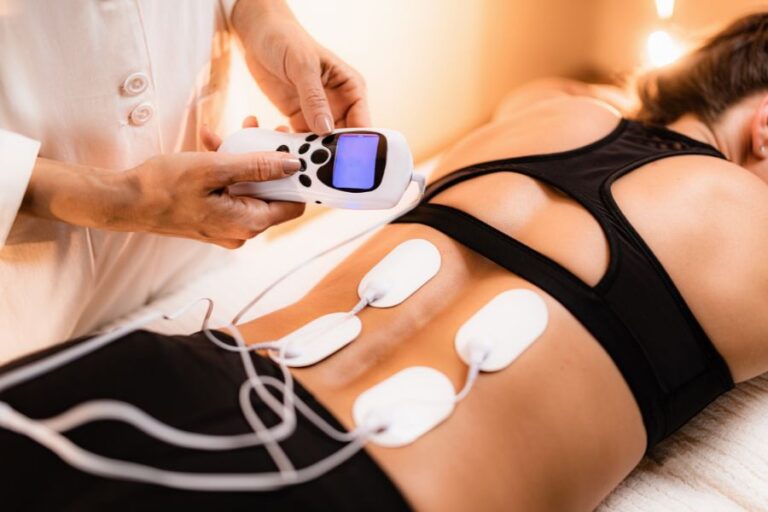
A physiotherapist may use manual therapy, stretching exercises, mobility work, rehabilitation programmes, posture correction, and electrotherapy techniques to support recovery. Physiotherapy not only helps reduce current pain but also focuses on preventing future injuries.
Exercise based recovery plans are a major part of physiotherapy treatment. Patients are often encouraged to actively participate in their recovery through guided exercises and long term rehabilitation support.
What Is Osteopathy?
Osteopathy is a holistic healthcare approach that focuses on treating the musculoskeletal system through manual therapy techniques. Osteopaths believe the body works as an interconnected system, meaning tension or dysfunction in one area can affect another part of the body.
Osteopathic treatment often involves gentle stretching, soft tissue massage, joint mobilisation, and movement techniques designed to improve circulation, reduce muscle tension, and restore mobility.
Osteopaths commonly treat lower back pain, neck pain, headaches, posture related tension, joint stiffness, shoulder problems, and muscle discomfort. Treatment is highly hands on and aims to support the body’s natural healing process.
Unlike some treatments that focus only on the area causing pain, osteopathy often looks at the wider body structure to identify contributing factors that may be affecting recovery.
What Is Chiropractic Care?
Chiropractic care focuses mainly on spinal alignment, posture, joint health, and nervous system support. Chiropractors believe that improving spinal function can help reduce pain, improve mobility, and support overall physical wellbeing.
Chiropractic adjustments involve applying controlled force to specific joints, usually within the spine, to improve alignment and movement. These adjustments are often used to help manage back pain, neck pain, headaches, and posture related discomfort.
Chiropractors also provide advice on posture, exercise, stretching, and lifestyle factors that may contribute to musculoskeletal issues. Chiropractic care is commonly used by people experiencing stiffness, restricted movement, or long term spinal discomfort.
Conditions Treated By Osteopaths, Physiotherapists And Chiropractors
All three disciplines can help manage a wide range of musculoskeletal conditions and movement related issues.
Sports injuries are commonly treated through physiotherapy rehabilitation, helping athletes recover strength, mobility, and performance after injury. Osteopathy and chiropractic care may also help manage muscular tension and movement restrictions during recovery.
Lower back pain remains one of the most common reasons people seek treatment. Manual therapy, rehabilitation exercises, spinal adjustments, and posture correction can all help improve symptoms and mobility.
Neck and shoulder tension is often linked to poor posture, repetitive strain, desk work, or stress. Physiotherapists, osteopaths, and chiropractors all use different techniques to reduce tension and restore normal movement.
Joint pain and muscle stiffness can affect daily activities and overall quality of life. Treatment often focuses on improving flexibility, reducing inflammation, and restoring proper movement patterns.
Treatment Techniques Used In Each Discipline
Although physiotherapy, osteopathy, and chiropractic care share similar goals, they often use different treatment methods.
Massage and soft tissue therapy are commonly used across all three disciplines to reduce muscle tension, improve circulation, and support recovery.
Spinal manipulation is more commonly associated with chiropractic treatment, where controlled adjustments are used to improve joint movement and spinal alignment.
Shockwave Therapy is a modern rehabilitation treatment often used for chronic tendon pain, plantar fasciitis, tennis elbow, and long term soft tissue injuries. This treatment uses acoustic waves to stimulate healing within damaged tissue.
Electrotherapy and rehabilitation exercises are often used within physiotherapy to support recovery, reduce pain, and improve physical function following injury.
How To Choose The Right Practitioner
Choosing the right practitioner depends on your symptoms, treatment goals, and personal preferences. Some people benefit most from rehabilitation focused physiotherapy, while others respond well to hands on osteopathic or chiropractic treatment.
Understanding your symptoms is important when selecting treatment. Acute injuries, post surgical rehabilitation, and sports recovery often respond well to physiotherapy. Spinal issues, posture related discomfort, and movement restrictions may benefit from chiropractic or osteopathic treatment.
Integrated healthcare approaches are becoming increasingly common. In many cases, practitioners work together and cross refer patients when additional support is needed.
At Clear Physio, patient centred treatment plans focus on long term recovery, movement improvement, and personalised rehabilitation support.
Benefits Of Holistic Physical Therapy Treatments
Holistic physical therapy treatments focus not only on reducing pain but also improving overall physical wellbeing and long term health.
Long term pain management is often more successful when treatment addresses movement patterns, posture, flexibility, strength, and daily lifestyle factors.
Improved mobility and flexibility can help people return to exercise, work, sport, and normal daily activities with greater confidence.
Many patients also experience enhanced physical performance through better posture, movement efficiency, and injury prevention strategies.
Preventative healthcare benefits are another important advantage. Ongoing rehabilitation and movement support can help reduce the risk of recurring injuries and chronic musculoskeletal problems.
Modern Rehabilitation And Recovery Treatments
Modern rehabilitation treatments continue to evolve, offering more advanced options for injury management and pain relief.
Focused Shockwave Therapy is commonly used for chronic injuries that have not responded well to traditional treatment methods. It can help stimulate tissue repair and improve healing in stubborn conditions.
Clinical Pilates and rehabilitation programmes are often used to improve posture, core stability, flexibility, and movement control. These programmes are particularly useful for lower back pain and postural problems.
Medical acupuncture is sometimes incorporated into rehabilitation programmes to help reduce muscular tension and support pain management.
Functional rehabilitation techniques focus on restoring real world movement patterns that help patients return to work, sport, and everyday activities safely.
What Happens During Your First Appointment?
Your first appointment usually begins with a detailed physical assessment. This may include discussing your symptoms, medical history, lifestyle, activity levels, and recovery goals.
Movement and posture analysis help practitioners identify restrictions, muscular imbalances, and areas contributing to pain or dysfunction.
Following the assessment, a personalised treatment plan is created based on your condition and recovery needs. This may include manual therapy, rehabilitation exercises, movement advice, or additional treatment techniques.
Ongoing recovery support is an important part of treatment, helping patients progress safely and achieve long term results.
Osteopathy Vs Physiotherapy Vs Chiropractic
There are many similarities between osteopathy, physiotherapy, and chiropractic care. All three aim to improve movement, reduce pain, and support physical recovery.
The main differences often lie in treatment style and focus. Physiotherapy is usually rehabilitation and exercise based, osteopathy focuses on whole body manual therapy, and chiropractic care centres heavily on spinal alignment and joint adjustments.
Different therapies may suit different conditions depending on the cause of pain, severity of symptoms, and treatment goals.
In some cases, combined treatments may provide the best outcome, particularly for complex or long term conditions.
Frequently Asked Questions
What Is The Difference Between Osteopathy And Physiotherapy?
Physiotherapy mainly focuses on rehabilitation and movement recovery, while osteopathy focuses on manual therapy and whole body musculoskeletal treatment.
Is Chiropractic Good For Back Pain?
Yes, chiropractic treatment is commonly used to help manage back pain, spinal stiffness, and posture related discomfort.
Can Physiotherapy Help Sports Injuries?
Physiotherapy is widely used for sports injury rehabilitation, helping improve strength, mobility, flexibility, and recovery.
What Conditions Do Osteopaths Treat?
Osteopaths commonly treat back pain, joint stiffness, headaches, posture problems, muscle tension, and mobility issues.
How Many Treatment Sessions Will I Need?
The number of sessions depends on your condition, severity of symptoms, and recovery goals. Some people improve quickly while others require longer rehabilitation support.
Can Osteopathy And Physiotherapy Be Combined?
Yes, combined treatments are often used to support recovery, improve mobility, and manage pain more effectively.
What Is Shockwave Therapy?
Shockwave Therapy is a treatment that uses acoustic waves to stimulate healing in damaged tissues and chronic injuries.
Do I Need A Referral For Treatment?
Most physiotherapy, osteopathy, and chiropractic treatments can be booked directly without a GP referral.