Introduction
Sports tape is a common sight across football pitches, rugby fields, running tracks, gyms and rehabilitation clinics. From supporting injured ankles to protecting fingers during training, sports tape plays an important role in injury prevention, recovery and athletic performance.
Understanding the different types of sports tape and their uses can help athletes, fitness enthusiasts and active individuals choose the most appropriate support for their needs. Some tapes are designed to provide flexibility and freedom of movement, while others are intended to stabilise joints and restrict movement during recovery.
Alongside physical benefits, sports taping can also improve confidence. Many athletes feel more secure when an injured or vulnerable area is supported, allowing them to train and compete with greater peace of mind.
Understanding Different Types Of Sports Tape
Why Different Sports Require Different Tapes
Different sports place different demands on the body. A football player may need ankle support, while a boxer may require hand and wrist protection. This is why there is no single sports tape suitable for every situation.
Support Vs Mobility
Some tapes are designed to allow movement while providing support. Others are intended to restrict movement to protect an injured area. Choosing the right balance between support and mobility is essential.
Compression Vs Immobilisation
Compression tapes help manage swelling and support soft tissues. Immobilisation tapes provide rigid support and help prevent excessive joint movement during recovery.
Choosing The Right Tape
The correct sports tape depends on the injury, activity level, body area involved and the amount of support required.
Cohesive Bandage
What Is Cohesive Bandage?
Cohesive bandage is a lightweight self adhesive sports tape that sticks to itself rather than the skin. It is easy to apply and adjust, making it a popular choice in sport and physiotherapy settings.
Key Features
Cohesive bandage is flexible, comfortable and easy to tear by hand. It can be applied with different levels of compression depending on the user’s needs.
Common Uses
It is often used to secure dressings, hold ice packs in place, support minor sprains and secure sports equipment such as shin pads and socks.
Benefits For Athletes
Athletes value cohesive bandage because it is quick to apply and can be adjusted throughout training or competition if required.
Compression And Swelling Management
One of the primary benefits of cohesive bandage is its ability to provide compression, helping reduce swelling and support soft tissue recovery.
Elastic Adhesive Bandage (EAB)
What Is EAB Tape?
Elastic Adhesive Bandage, commonly known as EAB tape, provides moderate support while still allowing a degree of movement.
Moderate Support Applications
EAB is often used when athletes need more support than kinesiology tape can provide but do not require full immobilisation.
Joint And Muscle Support
The tape is commonly applied to knees, elbows, wrists and ankles to provide additional support during physical activity.
Rugby And Contact Sports Uses
EAB is widely used in rugby and other contact sports where players require protection for joints, muscles and soft tissues.
Recovery Benefits
The compression provided by EAB can help manage swelling and support the recovery process following minor injuries.
Kinesiology Tape
How Kinesiology Tape Works
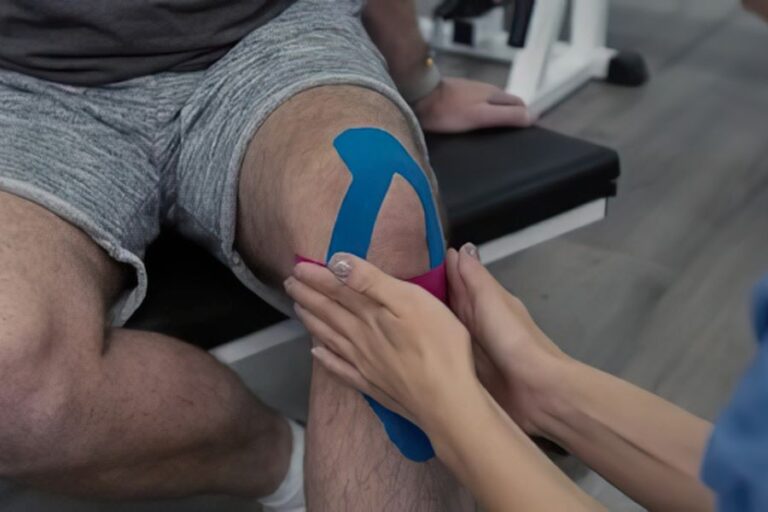
Kinesiology tape is designed to lift the skin slightly, creating space between the skin and underlying tissues. This may help reduce pressure and improve circulation around the affected area.
Supporting Movement Without Restriction
Unlike rigid sports tapes, kinesiology tape allows a full range of motion while providing gentle support.
Pain Relief Benefits
Many athletes use kinesiology tape to help reduce discomfort during training and rehabilitation exercises.
Muscle Activation And Recovery
Kinesiology tape can assist muscle activation, encourage proper movement patterns and support recovery from strains and overuse injuries.
Popular Sports Applications
It is frequently used by runners, cyclists, footballers, tennis players and gym users who want support without limiting movement.
Premium Sports Tape
What Is Premium Sports Tape?
Premium sports tape is a rigid tape designed to provide maximum support and stabilisation for injured joints.
Rigid Support For Injuries
This type of tape is commonly used when movement needs to be restricted to protect ligaments, tendons or joints during recovery.
Joint Immobilisation
Premium sports tape is often applied to ankles, wrists, shoulders, fingers and knees to prevent unwanted movement.
Physiotherapy Applications
Physiotherapists frequently use rigid sports tape as part of rehabilitation programmes for sports injuries and joint instability.
High Impact Sports Uses
Athletes participating in rugby, hockey, football and other high impact sports often rely on rigid sports tape for additional protection.
Zinc Oxide Tape
What Is Zinc Oxide Tape?
Zinc oxide tape is a strong non stretch tape that provides excellent joint support and stabilisation.
Maximum Joint Support
Because it does not stretch, zinc oxide tape is highly effective for protecting vulnerable joints and preventing excessive movement.
Finger And Thumb Taping
It is particularly popular for finger and thumb taping, especially in sports where grip strength and hand protection are important.
Combat Sports Applications
Boxers, mixed martial arts athletes and other combat sports competitors often use zinc oxide tape to protect hands, wrists and knuckles.
Blister Prevention Uses
Runners and hikers also use zinc oxide tape to protect areas prone to friction and blister formation.
Benefits Of Sports Taping
Injury Prevention
Sports taping can help reduce the risk of injury by providing additional support to muscles, tendons and joints during activity.
Pain Reduction
Many forms of sports tape can help reduce discomfort by supporting injured tissues and reducing stress on affected areas.
Improved Stability
Taping can increase joint stability, particularly during demanding sporting activities.
Enhanced Recovery
Compression, support and improved movement patterns can all contribute to a more effective recovery process.
Psychological Confidence
Many athletes report feeling more confident when wearing sports tape, particularly when returning to activity following an injury.
How To Choose The Right Sports Tape
Consider The Injury Type
Different injuries require different levels of support. Minor strains may benefit from kinesiology tape, while more significant injuries may require rigid sports tape.
Assess Required Support Level
Consider whether you need light support, moderate compression or full immobilisation.
Consider Range Of Motion
Some activities require unrestricted movement, while others may prioritise protection and stability.
Sport Specific Requirements
The demands of your chosen sport will influence which tape is most suitable.
Professional Guidance
If you are unsure which tape to use, seeking advice from a physiotherapist can help ensure you receive the correct support for your condition.
Final Thoughts On Sports Tape And Their Uses
Matching Tape To Purpose
Understanding the different types of sports tape and their uses allows athletes to choose the most effective solution for their needs.
Supporting Performance And Recovery
Whether managing an injury or aiming to improve performance, sports tape can play an important role in supporting movement and recovery.
Reducing Injury Risk
Using the appropriate sports tape can help protect vulnerable areas and reduce the likelihood of further injury.
Maximising Athletic Potential
At Clear Physio, we understand the importance of effective injury management and rehabilitation. Choosing the right sports tape can support your recovery journey, help maintain activity levels and contribute to long term athletic performance.
FAQs
What is the most commonly used sports tape?
Kinesiology tape and zinc oxide tape are among the most commonly used sports tapes due to their versatility and effectiveness.
Does sports tape help prevent injuries?
Sports tape can help reduce injury risk by providing support, improving stability and encouraging proper movement patterns.
How long can kinesiology tape stay on the skin?
Kinesiology tape can often remain in place for several days, depending on the product used and individual activity levels.
Can I apply sports tape myself?
Some sports tapes can be applied independently, but professional guidance is recommended when treating injuries or complex joint issues.
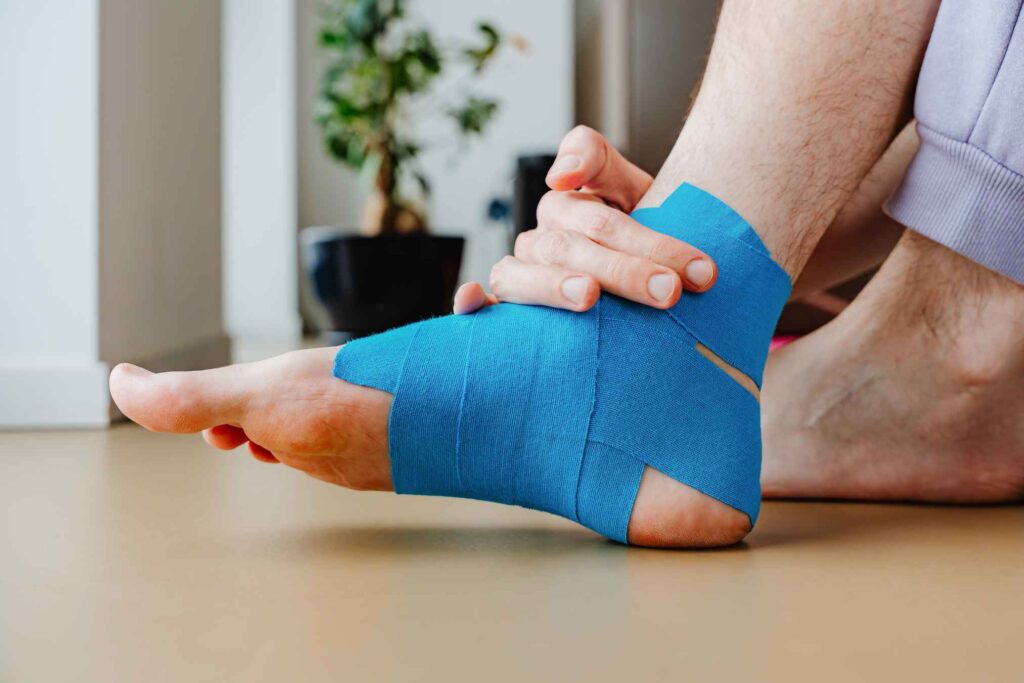
Which sports tape is best for ankle support?
Rigid sports tape and zinc oxide tape are often preferred for ankle support because they provide strong stabilisation and limit excessive movement.